White Lavender

An installation on care, growth and control
SummaryThe project is inspired by my ongoing experience as a trans+ person currently undergoing fertility preservation treatment at the Hewitt’s Center inside the Liverpool Women’s Hospital. Through installation, sound, sculpture, and interactivity, the project seeks to immerse the viewer in a space of emotional embodiment associated with uncertainty, care, grief, and waiting.
The installation will transform an exhibition space into a predominantly white, minimal environment incorporating 3D-printed lavender sculptures, fragmented sound works, written material, and interactive elements. Audience movement and participation will trigger layers of spoken word, field recordings, drone, synths, and melodic elements, creating a non-linear and emotionally fragmented experience. Rather than presenting a fixed story, the work invites viewers to navigate the space and construct meaning through embodied engagement.
Rather than functioning as a documentary or overtly political artwork, White Lavender seeks to communicate emotional realities through atmosphere, sensory engagement, and embodied interaction. While the work emerges from a specifically trans experience, the installation aims to remain accessible to wider audiences through its exploration of universal emotional themes surrounding bodily vulnerability, care, desire, and uncertainty.
The project combines traditional sculptural concerns with contemporary digital fabrication methods, including photogrammetry, 3D modelling, and interactive technologies. Through this process, the installation also explores the relationship between organic forms and artificial systems, particularly in relation to the emotionally detached environments of fertility clinics and medical institutions.
The intended outcome is an immersive installation suitable for exhibition within a contemporary gallery context. The project has been and will continue to be developed through a structured process of research, experimentation, prototyping, and production, with a focus on low-cost and accessible materials.
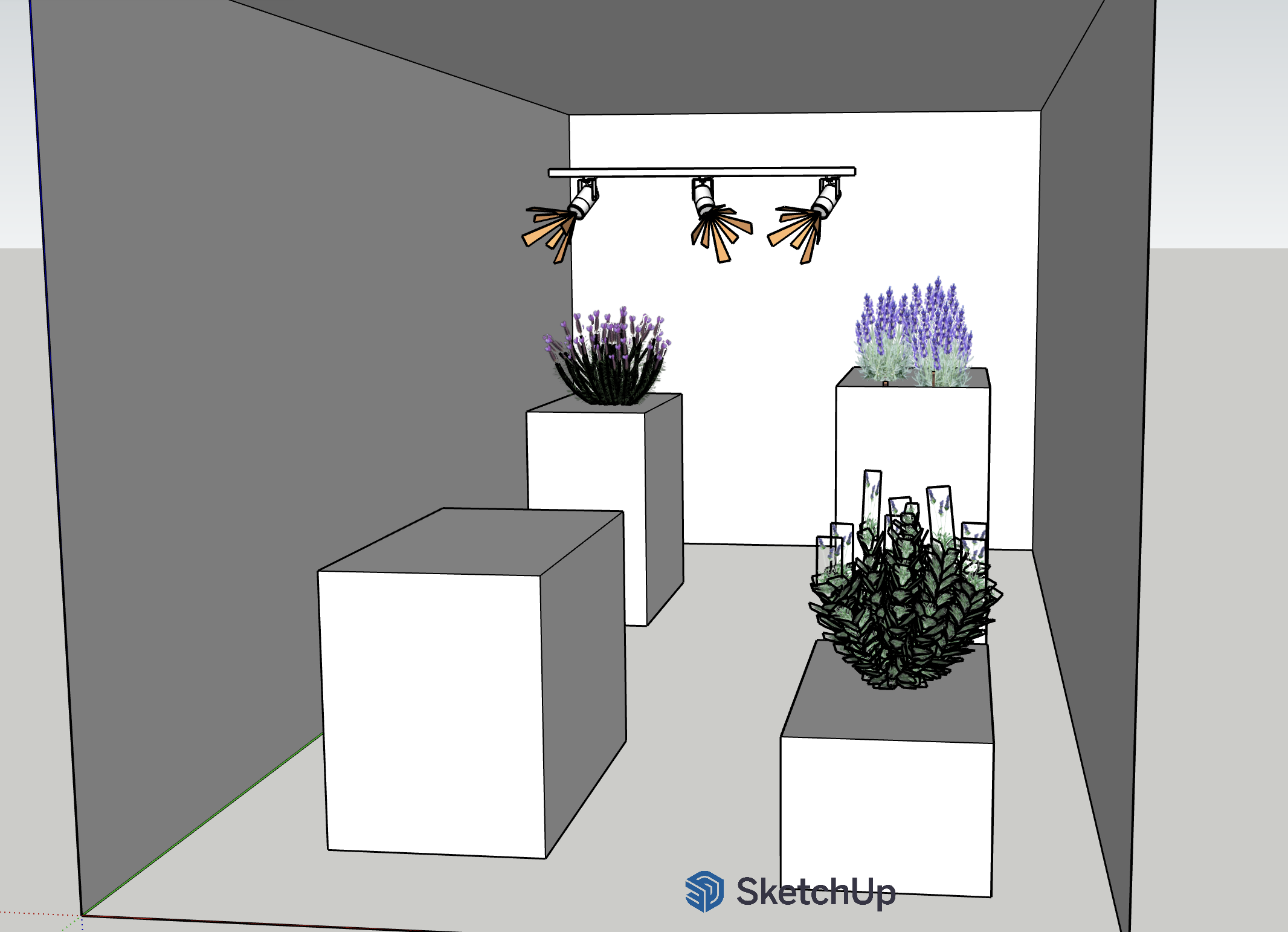
Fig. 1. Dylan Barr, Early SketchUp model of installation, 2026. SketchUp Model.
AimsThe primary aim of White Lavender is to create an immersive installation that communicates the emotional experience of trans fertility and fertility preservation.
Rather than presenting information directly, the project seeks to create an affective environment in which audiences encounter emotional states physically and atmospherically. The installation prioritises feeling, fragmentation, and embodiment over linear explanation or narrative clarity.
This project is significant to my wider artistic practice as it expands on my ongoing exploration of sound, embodiment, and identity into a more technically ambitious installation format involving digital fabrication and interactivity. Previous works such as Why Are There So Many Seagulls? And Why Are There So Many Cars?, 2024 and After Orion, 2025 explored emotional narrative through sound, sculpture and moving image. However, this project extends those concerns into a more immersive, interactive practice.
A central aim is to be able to translate deeply personal experience into a shared environment without reducing its emotional complexity. Although the installation originates from experiences surrounding trans fertility, the work intentionally avoids functioning solely through identity-based explanation. Instead, the project aims to create emotional accessibility through atmosphere, abstraction, and sensory interaction.
Another key aim is to explore the relationship between organic life and artificial systems. The use of 3D printing, digital modelling, and visual identity reflects the procedural and technological nature of fertility treatment itself, where intensely personal experiences become mediated through scans, forms, waiting rooms, and medical systems.
The project also aims to investigate how audience interaction can shape emotional interpretation within installation practice. By allowing viewers to trigger sound through movement and participation, the installation shifts away from linear storytelling and instead embraces fragmentation, multiplicity, and uncertainty. This reflects the experience of navigating medical systems where emotions often emerge in fragments rather than coherent narratives.
Target AudienceThe work is intended for a broad gallery audience, including those unfamiliar with trans fertility, while remaining meaningful and authentic to LGBTQIA+ audiences. The emphasis on sensory engagement allows accessibility without requiring prior contextual knowledge. In fact, I hope it draws an audience in that wouldn’t normally engage with the themes I am exploring.
While audiences with lived experience of medical transition may recognize specific emotional references within the work, the installation is designed so that emotional resonance does not rely entirely on explanation. Instead, Atmosphere, interaction, and spatial experience become the primary methods of communication.
The work is also intended to remain accessible to audiences with hearing impairments of Auditory Processing disorder (APD) through the inclusion of written materials and alternative forms of engagement.
Key Questions- How can immersive installation communicate emotional experiences that are difficult to articulate verbally?
- How can personal experiences be translated into shared spatial environments?
- How does audience interaction shape meaning within installation work?
- How can abstraction be used to represent specific lived experiences while remaining accessible?
- How can you bring an audience to engage with a topic they would normally ignore?
- How can sound and sculpture work together to communicate internal emotional states?
- How can trans identity be expressed through art without relying on overt political messaging?
Installation, Sound and Embodied ExperienceThis project is informed by contemporary installation practices that engage with sound, space, and embodiment as methods of emotional communication.
Installation art is growing within contemporary art as an embodied and spatial practice in which meaning is produced through audience movement and sensory experience rather than passive observation. Claire Bishop argues that installation environments position the viewer “in the centre of the work” and create meaning through physical presence and participation (Bishop, 2005). This relationship between bodily movement and emotional encounter is central to White Lavender, where audiences navigate sound, sculpture, and interaction through exploration of space.
The use of sound as a central element draws influence from the work of Jessica Ekomane, particularly her exploration of embodied listening and non-linear sound environments. Ekomane’s sound-based installation Antechamber, 2025 (Fig. 2) demonstrates how sound can operate as an embodied experience, shaping perception and emotional response without relying on explicit narrative, as well as using sound to fill and take advantage of available space so that the piece feels bigger than the viewer. This approach is particularly relevant to this project, where sound is intended to emerge as fragmented emotional glimpses as opposed to a coherent narrative. Through distributed speakers and audience-triggered playback, the installation seeks to create an environment where listening becomes physical and spatial.
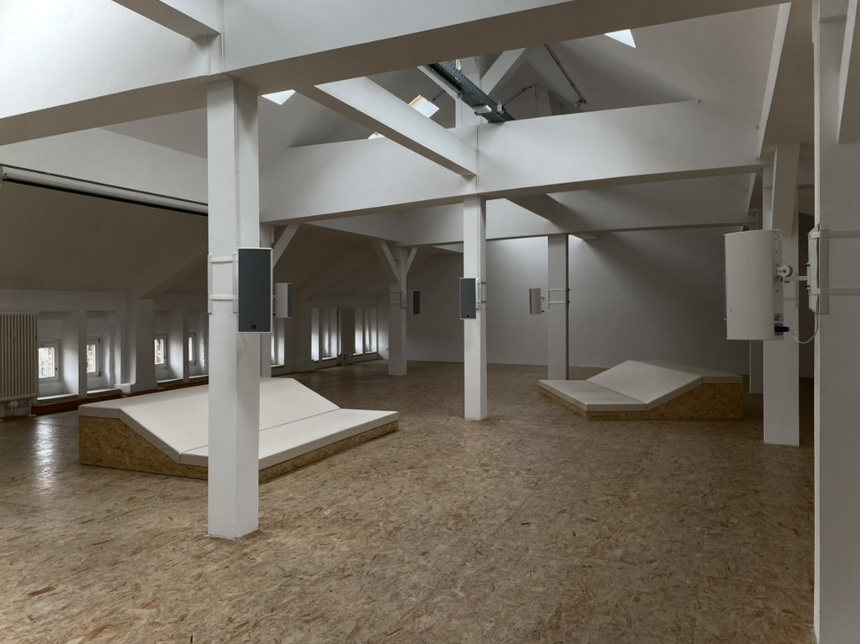
Fig. 2. Jessica Ekomane, Antechamber, 2025. Photographed by author.
The sculptural qualities of the installation are informed by the work of Bassam Issa Al-Sabah, whose immersive installation THE MISSION IS THE END, AND THE END IS ALL I WANT!, 2025 (Fig. 3) utilised repeated organic forms and symbolic sculpture to build upon their film work, bringing the scenes out of the screen to aid the immersion of the work. The use of repetition and sculptural forms within this piece particularly influenced my interest in creating environments where sculptural objects operate simultaneously as symbolic forms and atmospheric devices.
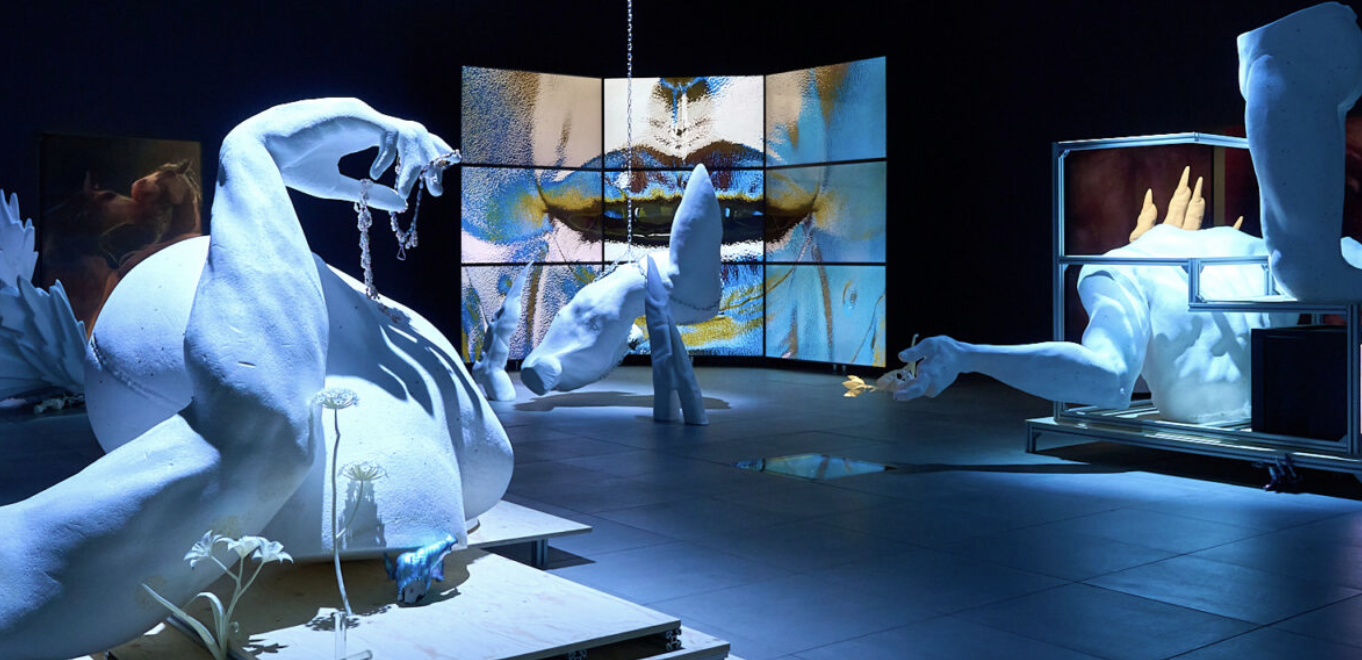
Fig. 3. Bassam Issa Al-Sabah, THE MISSION IS THE END, AND THE END IS ALL I WANT!, 2025. Installation.
The work of Billie Winters also informed the development of this project through their exploration of fertility preservation and what they described as “HRT limbo”. Winters’ exhibition utilised sculptural installation, text, and tactile objects to communicate experiences of uncertainty, waiting, and embodiment within trans fertility care. Works such as Parent Pending, 2026 (Fig. 4) and Waiting Room, 2026 (Fig. 5) particularly influenced my thinking around emotional specificity and the use of personal material within installation practice. However, while I connected strongly with the subject matter of the exhibition, I found aspects of the work framed trans fertility through a more overtly political lens than I intend within White Lavender. This further reinforced my desire for the installation to foreground human emotional experience and sensory encounter before political categorisation.
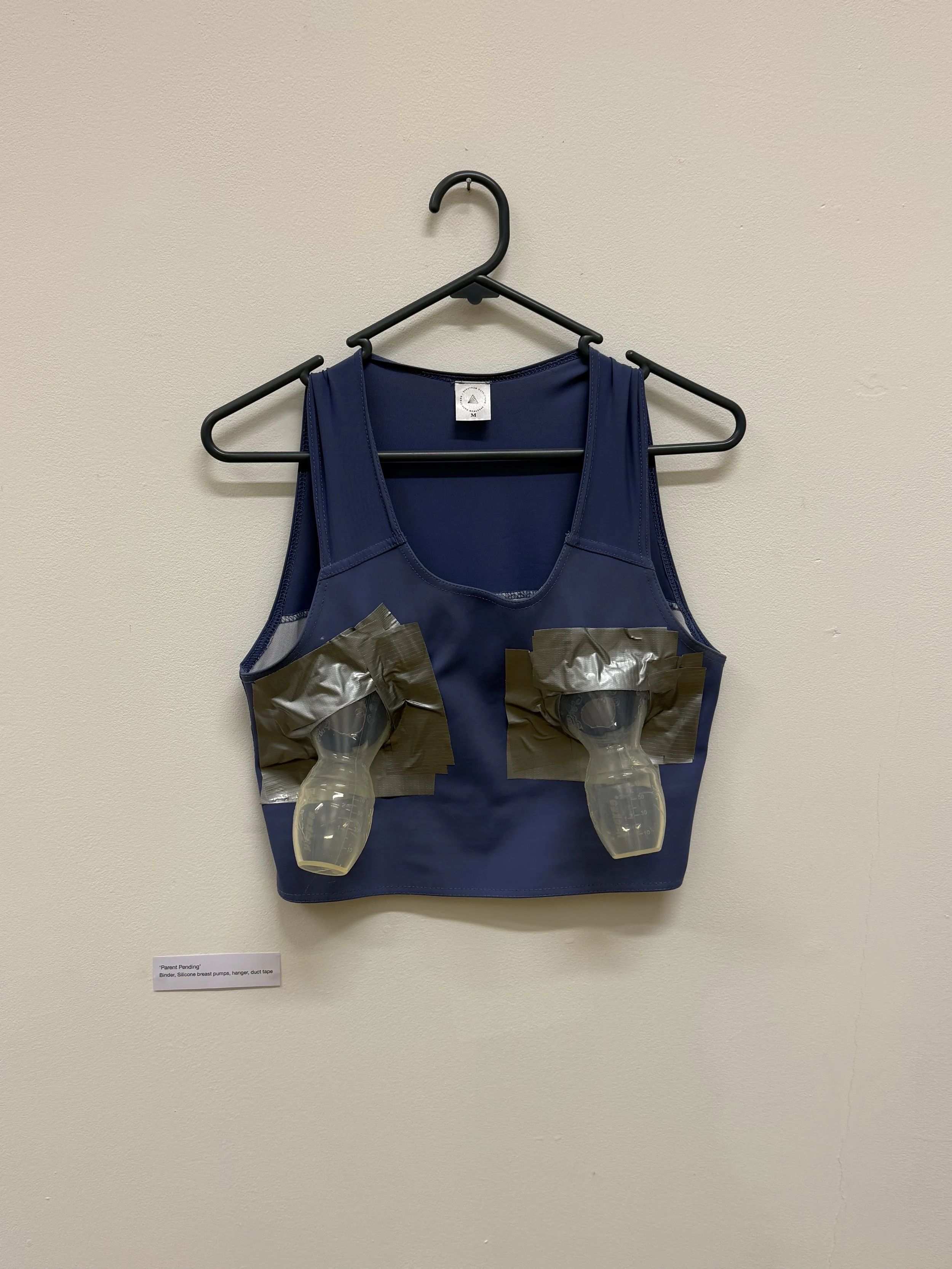
Fig. 4. Billie Winters, Parent Pending, 2026. Photograph by author.
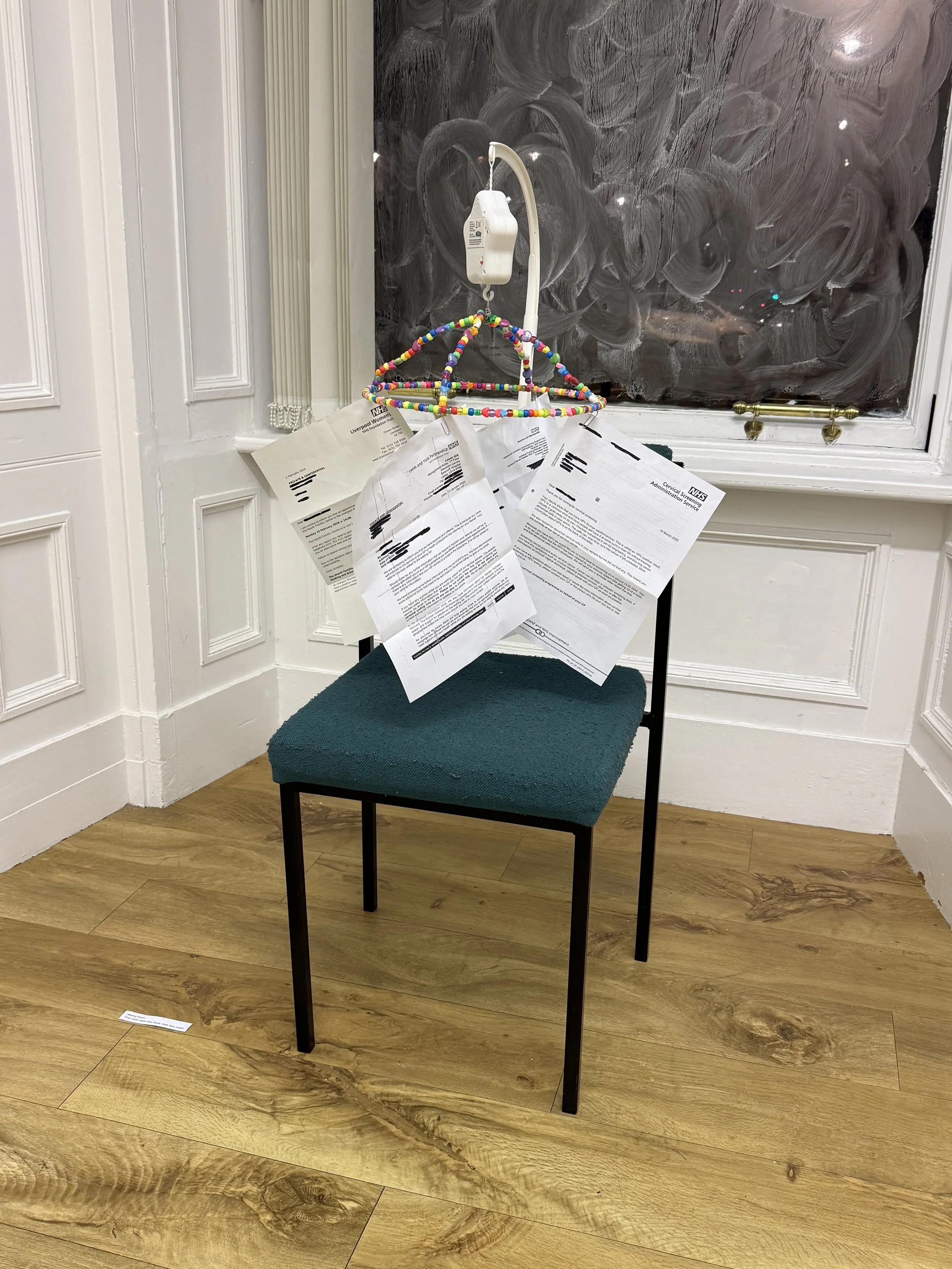
Fig. 5. Billie Winters, Waiting Room, 2026. Photograph by author.
Brandon LaBelle’s writings on sound art and auditory experience are particularly relevant to this project. LaBelle describes sound as something capable of constructing “relational spaces” through vibration, movement, and atmosphere rather than fixed visual representation (LaBelle, 2015). This understanding of sound has helped inform the project’s use of fragmented spoken word and distributed audio systems as methods of emotional communication.
The project is also informed by phenomenological approaches to embodiment, particularly Maurice Merleau-Ponty’s argument that bodily experience forms the basis through which individuals understand and navigate the world (Merleau-Ponty, 1962). This is particularly significant within an installation concerned with bodily autonomy, medical intervention, and sensory experience.
The project is also informed by broader installation practices including those of Resolve Collective, particularly their use of space to communicate social and emotional ideas such as in the likes of You get a Car [Everybody Gets a Car], 2024. While this project is individually authored rather than collaborative, their work demonstrates how installation can function as both sensory environment and social reflection.
Trans Fertility, Medical Systems and Emotional NarrativeAlongside artistic influences, the project is informed by research surrounding trans fertility, Hormone Replacement Therapy (HRT), and medical narratives surrounding reproduction.
Through both personal experience and informal conversations, I have become increasingly aware of how fertility remains a deeply emotionally charged and often under-discussed topic within trans communities. These discussions repeatedly highlighted the social anxieties, misconceptions, and familial pressures that surround the topic. While the project begins from personal experience, it is becoming increasingly clear that many of these emotions are shared collectively, despite being rarely spoken about openly.
A common misconception is that transition or Hormone Replacement Therapy automatically removes the possibility of biological parenthood. However, existing medical research demonstrates that fertility outcomes are considerably more nuanced. While HRT can significantly impact fertility, these effects are not always absolute or irreversible, particularly for AFAB individuals. This imbalance contributes to the pressure many trans people feel to make decisions around fertility preservation before transition progresses medically, and why it is so important to open up these conversations as opposed to letting anxieties fester.
The emotional consequences of these misconceptions extend beyond medical concerns and become tied to familial expectation, social pressure, and narratives surrounding regret or reproductive loss. Fertility is therefore not simply a medical issue within trans experience, but also an emotional and taboo topic of discussion.
The work also sits within broader discussions surrounding trans embodiment and medicalisation. Paul B. Preciado’s Testo Junkie (2013) explores the relationship between hormones, identity, biopolitics, and bodily control under contemporary medical systems. Although this installation avoids direct political didacticism, these discussions inform the project’s understanding of transition as both bodily and institutional experience.
Research by Shain Wright (2023) additionally highlights how several countries still require complete steralisation before legal gender recognition, reinforcing the historical relationship between trans identity, bodily autonomy, and reproductive control. Although White Lavender intentionally avoids direct political messaging, these realities inevitably shape the emotional atmosphere surrounding fertility preservation and transition.
Importantly, the installation seeks to move away from overt political framing and instead foreground human emotional experience. Existing publicly as a trans person frequently involves being positioned within political discourse regardless of context. Through this project, I aim to create a space where audiences encounter vulnerability, uncertainty, care, and bodily anxiety before political categorisation.
Sustainability and Material ConsiderationsA significant conceptual concern within this project is the relationship between organic subject matter and artificial production methods. Throughout the development process I have found myself increasingly drawn to 3D printing, despite primarily approaching the work from a sculptural perspective. This has led me to question why these technologies feel so conceptually appropriate within the context of fertility preservation. 3D printing operates through layering, repetition, precision, and artificial reconstruction. In this context, the sculptures become objects positioned between organic life and manufactured simulation.
The inability to perfectly reproduce organic forms through technological systems mirrored the emotional disconnect present within fertility treatment itself. The clinical process repeatedly transforms emotional and bodily experiences into procedural systems of scans, tests, forms, and technological mediation.
The project therefore intentionally embraces slight abstraction and uncanniness within the sculptural forms rather than striving for complete botanical realism.
Conversations within the Fab Lab further these material considerations, particularly regarding sustainability and material ethics.
Several printing methods were discussed, including resin printing and cornstarch-based filament printing. These conversations became important not only practically but conceptually, as material choice directly affects the ethical and environmental position of the work.
Resin printers offer significantly higher levels of detail and precision; however, they are considerably more expensive and carry greater environmental concerns. Resin is known not to biodegrade, which is something I have researched previously and actively avoided within my sculptural practice.
In contrast, cornstarch filament offers a lower-cost and more environmentally conscious alternative for printing. Cornstarch filament could potentially cost as little as ten pence per metre of filament, meaning the lavender sculptures could realistically remain under a manageable budget.
GOALS & OBJECTIVESThe overall goal of this project is to produce a fully realized, immersive installation that successfully communicates complex emotional experiences through spatial, auditory, and sculptural elements.
Description | Benefits
Develop an immersive installation environment. | Create a cohesive sensory experience through sculpture, sound, spatial arrangement and interaction.
Explore emotional experiences surrounding fertility preservation. | Translate feelings of uncertainty, care, waiting, bodily anxiety, and desire into installation form.
Investigate relationships between organic forms and artificial systems. | Explore how digital fabrication and clinical aesthetics reflect medicalised bodily experiences.
Expand technical skills within installation practice. Develop knowledge of photogrammetry, 3D modelling, digital fabrication, sound production, and interactive technologies. | Produce a fully realised exhibition outcome. Create an installation suitable for presentation within a contemporary exhibition environment.
Develop audience interaction within the installation. | Implement interactive systems allowing viewers to trigger sound and influence spatial experience.
Consider accessibility within immersive installation. | Provide alternative methods of engagement through materials and flexible audience navigation.
Explore sustainable fabrication methods. | Research environmentally conscious approaches to 3D printing and sculptural
SCOPE OF WORKThe scope of this project includes design, development, and production of an immersive installation, incorporating sculptural, auditory, and interactive elements.
The primary output will be the installation itself, consisting of:
- A spatially designed environment
- Multiple 3D-printed lavender sculptures
- An interactive sound system
- Spoken word or sound-based audio content
- Written content
- Optional moving image elements
The process involves research, prototyping, production, and installation supported by access to workshop facilities and digital tools.
Methodology & Technical Development
The development of this project involves the integration of digital fabrication, sound design, and interactive technologies. The process is iterative and research-led, involving experimentation, failure, and adaption.
3D Modeling, Scanning and Printing
The sculptural elements require the creation of detailed 3D models of lavender forms. Initial experimentation involved physically sculpting lavender using clay, which would then be scanned and uploaded to print. However, this approach proved impractical due to resource constraints and the scale required.
The process then shifted towards photogrammetry and digital capture methods using mobile applications such as Polycam and Scaniverse. Lavender had only recently come into bloom, making it possible to begin scanning plants found locally nearby home. While these scans successfully captured general form that creates good digital models, they lacked the finer detail and structural clarity necessary for 3D printing. When imagining these scans translated into white filament prints, the models risked losing definition and becoming amorphous abstract blobs.
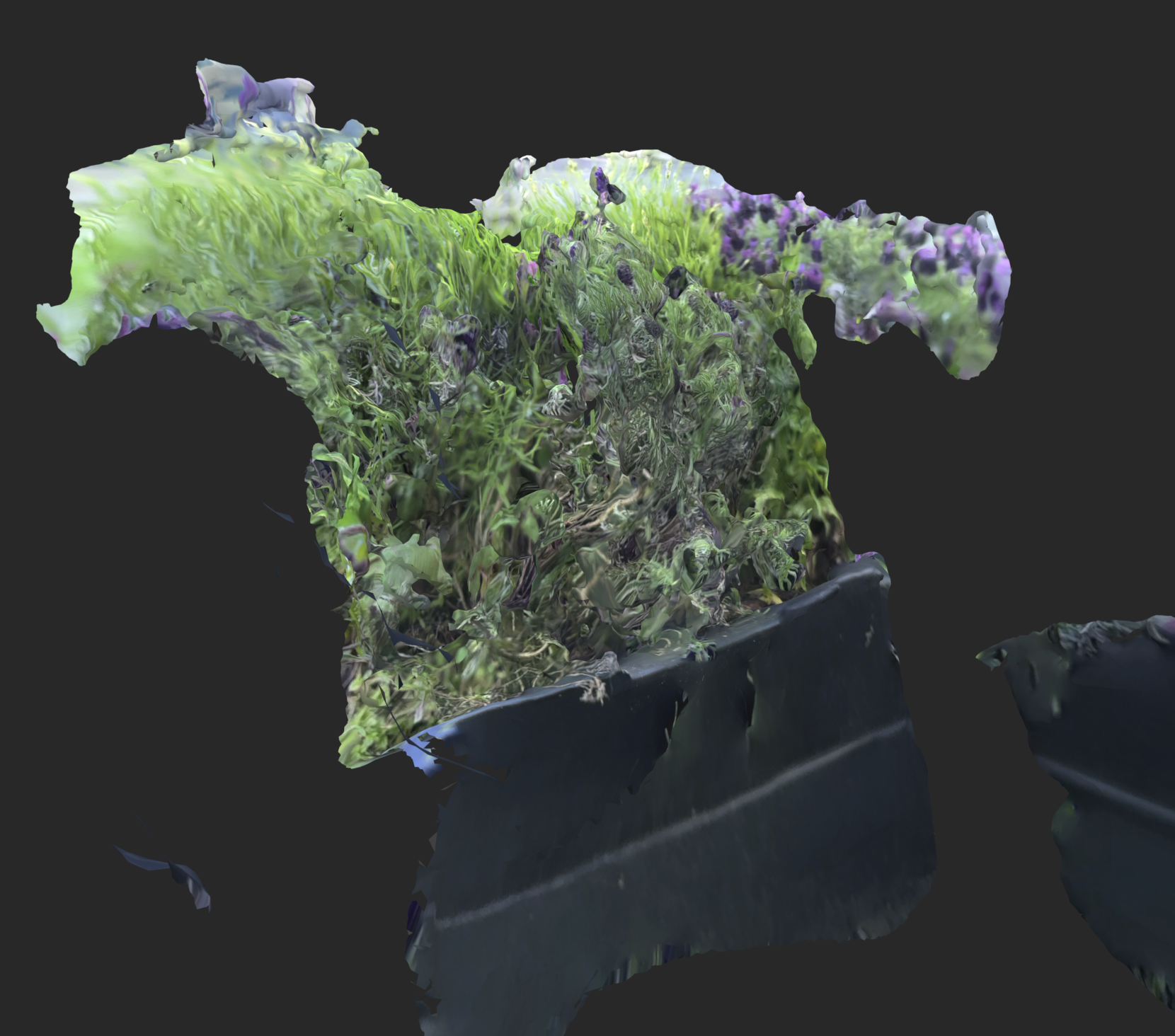
Fig. 4. Dylan Barr, Scaniverse lavender photogrammetry test, 2026. Digital scan.
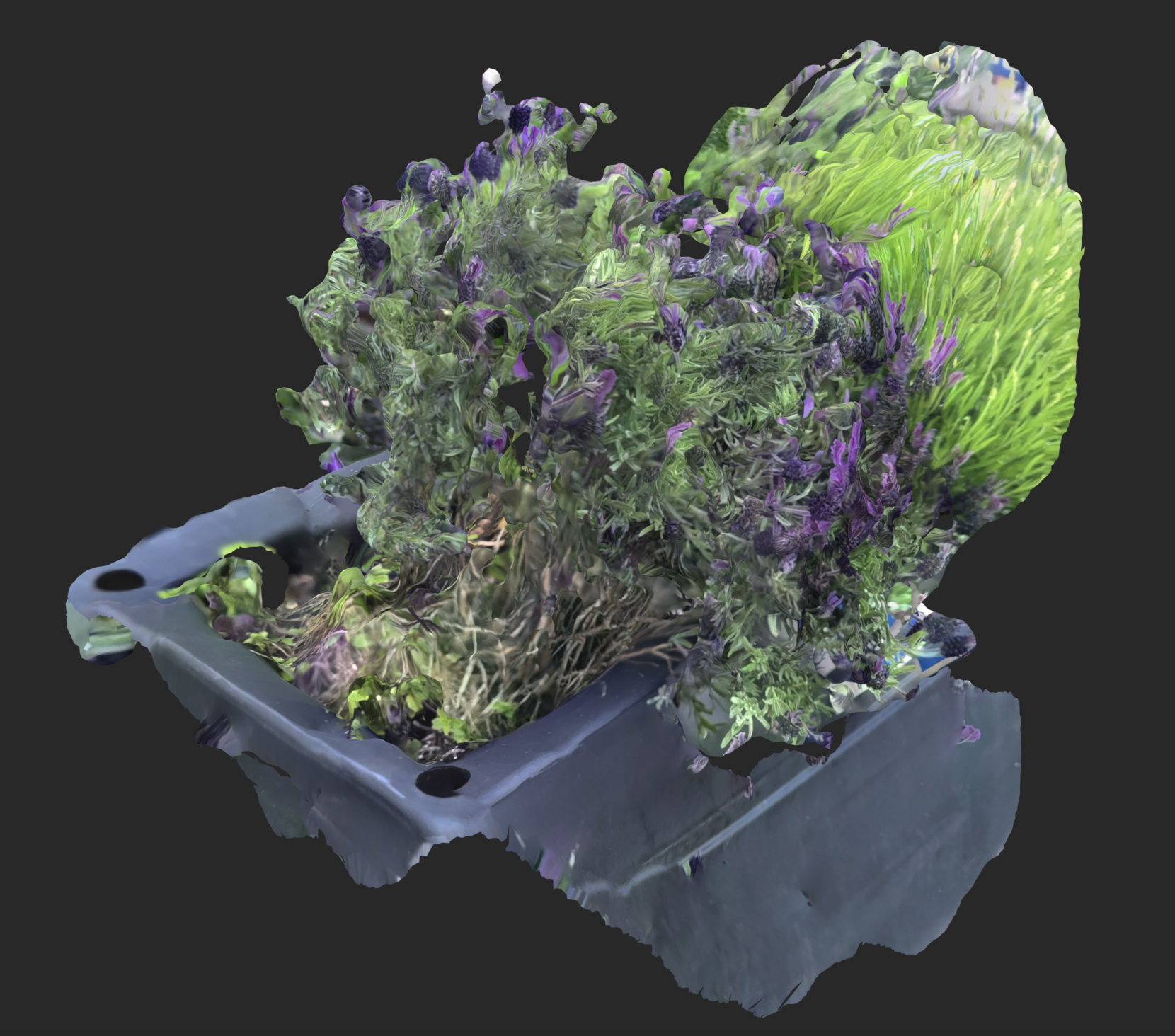
Fig. 5. Dylan Barr, Scaniverse lavender photogrammetry test, 2026. Digital scan.
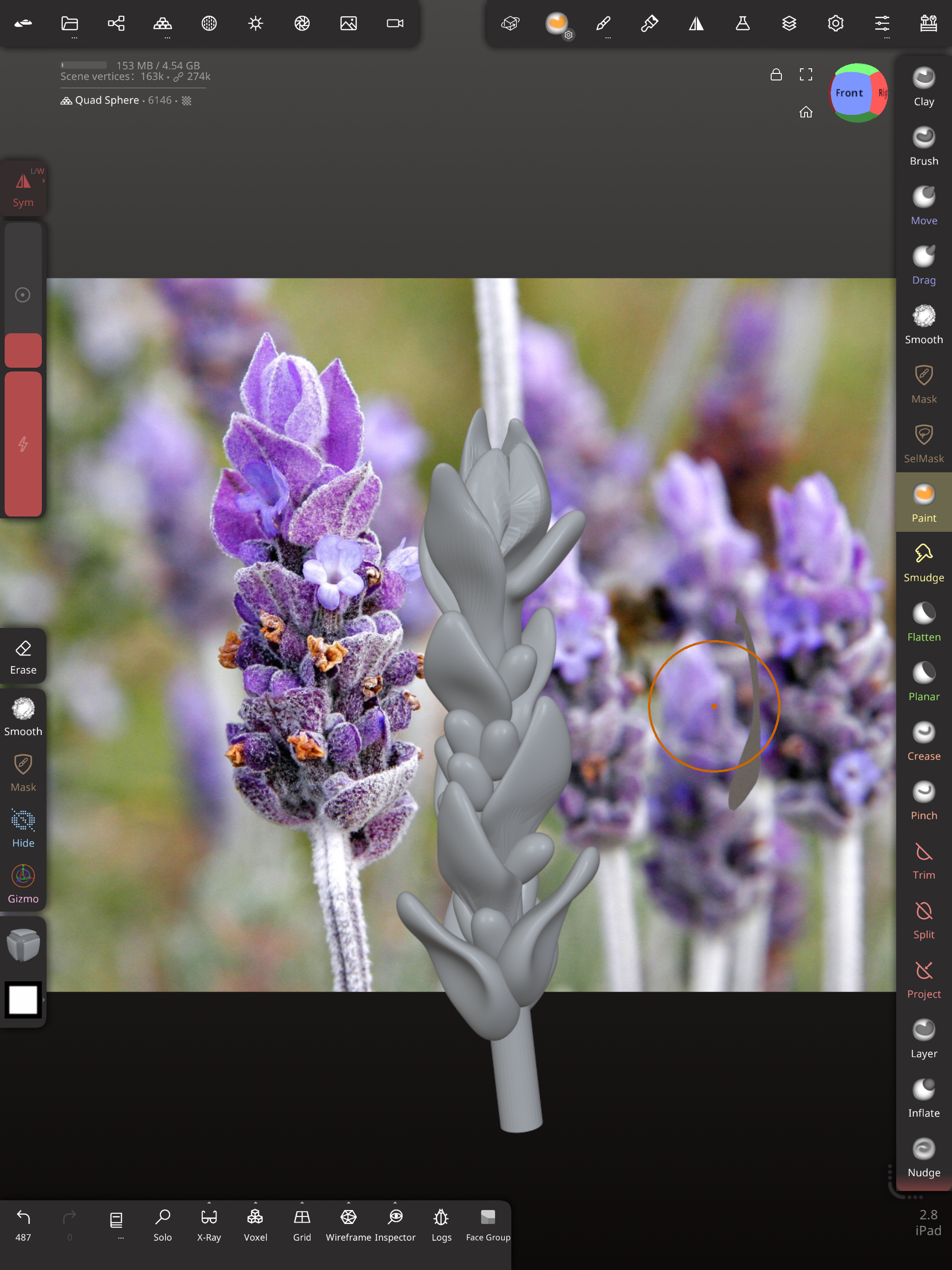
Fig. 7. Dylan Barr, Initial lavender prototype created in Nomad Sculpt, 2026. Digital 3D model.
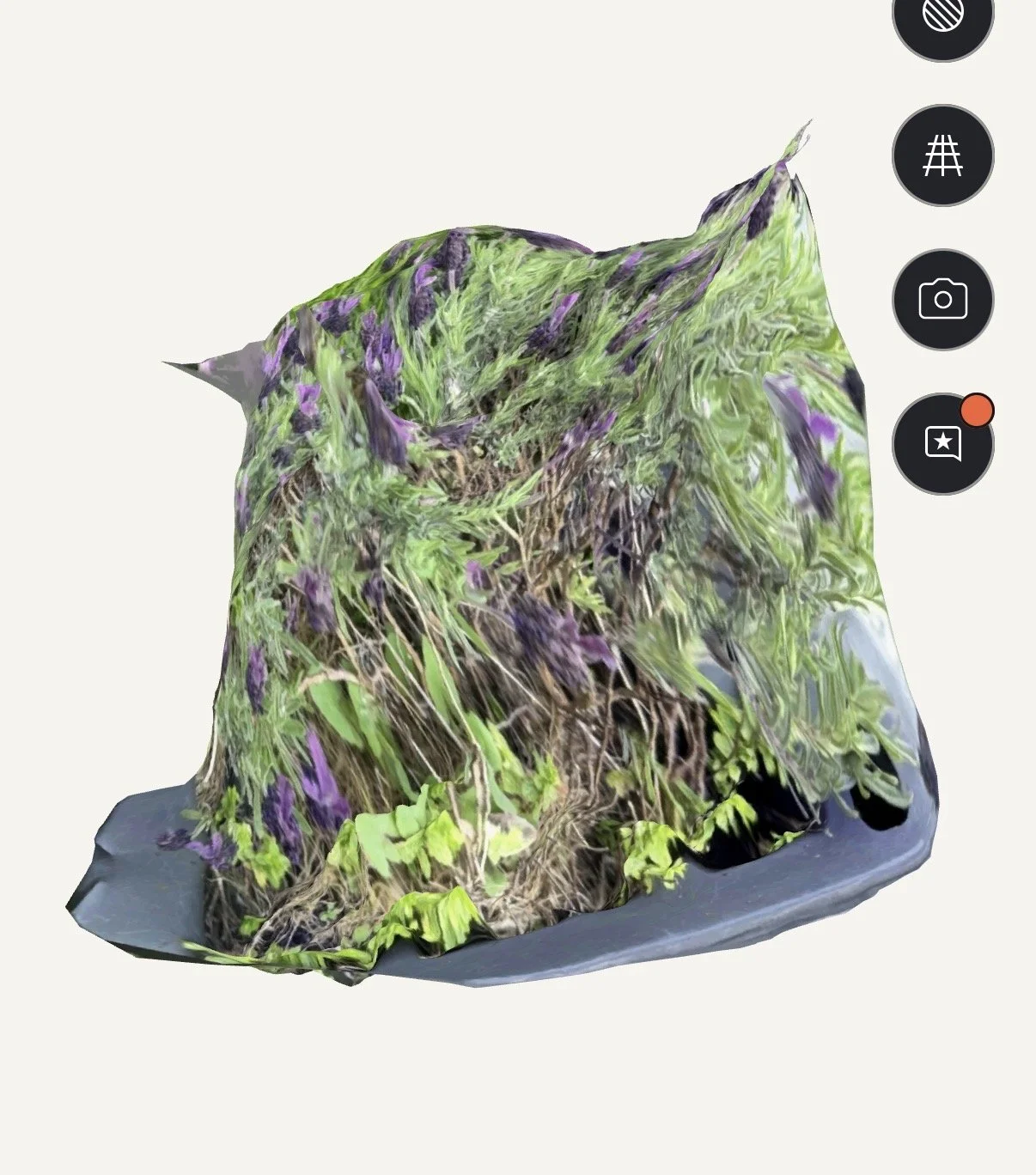
Fig. 6. Dylan Barr, Polycam lavender photogrammetry test, 2026. Digital scan.
Following technical consultation, a revised approach is now being explored using higher-quality photogrammetry through software available within the Fab Lab. This involves capturing video footage of the lavender plants from multiple angles and then bringing it back to the lab to generate more detailed models. Hopefully aiding more precision and control over the process than given through automated mobile applications.
Alongside this, an alternative approach using Nomad Sculpt has been developed. This allows me to manually construct lavender forms digitally, offering greater control over form and detail. Early experimentation suggests this may be the most effective method for producing print-ready models that will remain visually legible when printed in white filament.
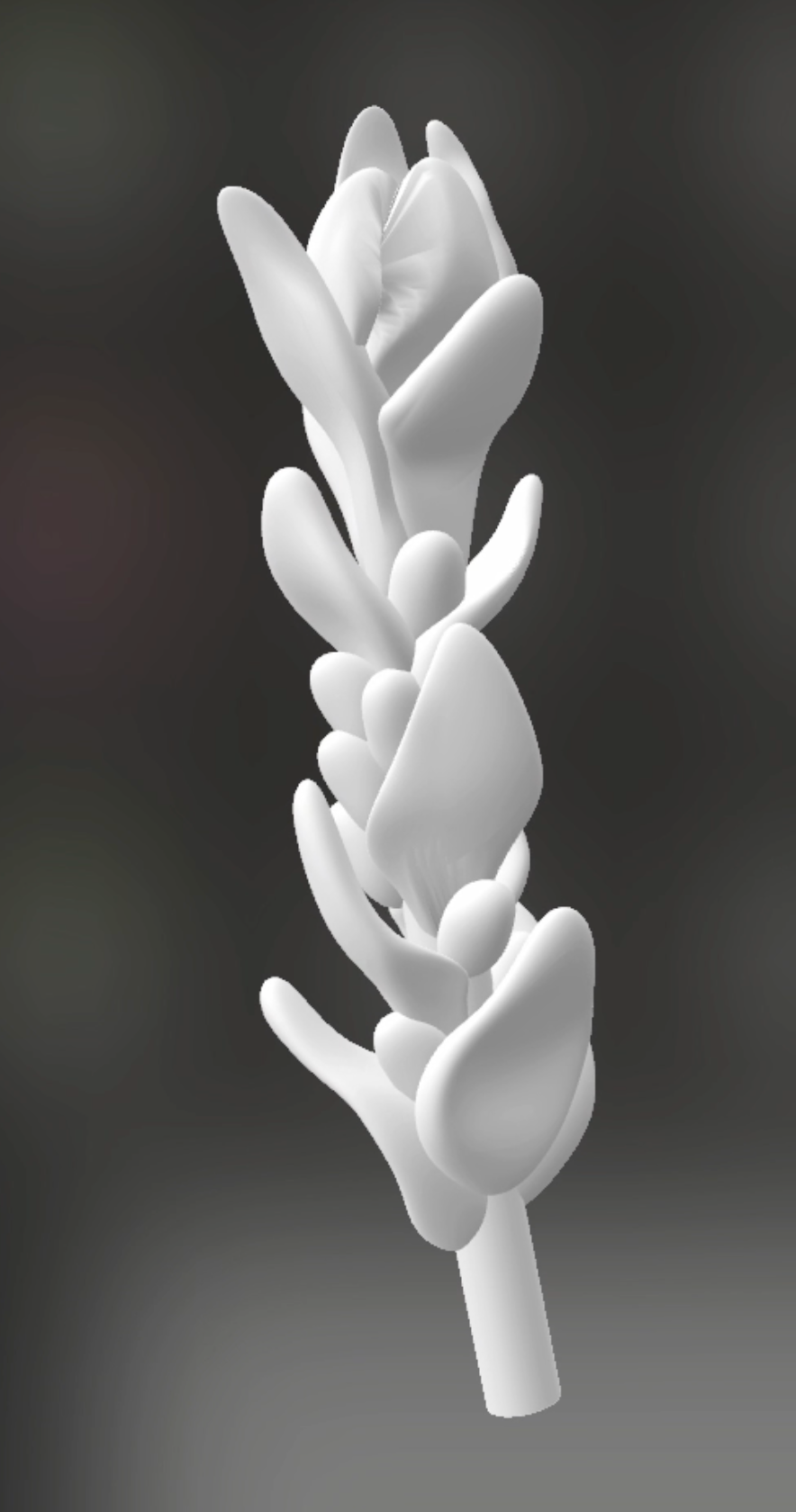
Fig. 8. Dylan Barr, Initial lavender prototype created in Nomad Sculpt, 2026. Digital 3D model.
What interests me about this changed approach is that is moves the process away from direct replication and towards the use of time, effort, and care. Through sculpting digitally, I am also able to exaggerate or simplify forms in ways that support the atmosphere of the installation.
Interactivity and Audience Engagement
Interactivity is central to the installation, allowing viewers to actively shape their experience of the work. The aim is to create multiple points of engagement that trigger sound responses.
Several methods are being explored:
- Camera tracking systems using software such as TouchDesigner to detect movement within defined zones, e.g. If a person turns towards or moves close to a sculpture it will trigger the nearby speaker.
Positive: More precise interactivity Negative: More complex system
- PIR motion sensors for simple, cost-effective triggering of sound, e.g. Close movement towards a sculpture will be picked up by the sensor that will then trigger the built in MP3 to play a downloaded sound into the speaker.
Positive: Simple, easy system and more compact wire system. Negative: Interactivity is less precise
- Pressure pads embedded within the floor to activate audio through physical contact.17
Positive: Simple execution. Negative: Damaging to aesthetics/harder to conceal
- Object-based interaction, where removable sculptural elements trigger sound when inserted into designated points, e.g. A small chip embedded into the bottom of individual lavender stems that can be inserted back into the bush in certain spots where the chip reader will trigger specific sounds.
Positive: The most interactive method. Negative: Models would have to be designed with this in mind, may be more expensive.
Each method presents different advantages and limitation in terms of precision, cost, and visual integration. The final approach will depend on the technical capabilities of the exhibition space, as well as budget. The installation may end up involving a combination of systems.
Installation Design
The installation is designed to be spatially immersive, encouraging movement and exploration. The ideal configuration involves multiple white plinths of varying heights, each supporting clusters of lavender sculptures.
The sculptures will be designed to extend beyond the edges of the plinths, creating an organic contrast with their structured bases. Where possible, plinths will be sourced from existing resources within the University (E.g. Fine art department); otherwise, they may need to be constructed with help from the 3D department.
Alternative configurations include floor-based arrangements and suspended elements, depending on spatial constraints.
Speakers will be integrated into the installation, either concealed within plinths or embedded within sculptures. Careful consideration will be given to cable management, structural stability, and audience safety.
Sound Design
Sound is a central component of the installation, functioning as both narrative and atmosphere. The audio will consist of short, fragmented compositions combining spoken word, field recordings, and synthesized sound.
The spoken content is derived from personal writings that have been and will be produced throughout the project, capturing emotional responses to fertility treatment. These fragments will be layered and edited to create an abstract, non-linear auditory experience.
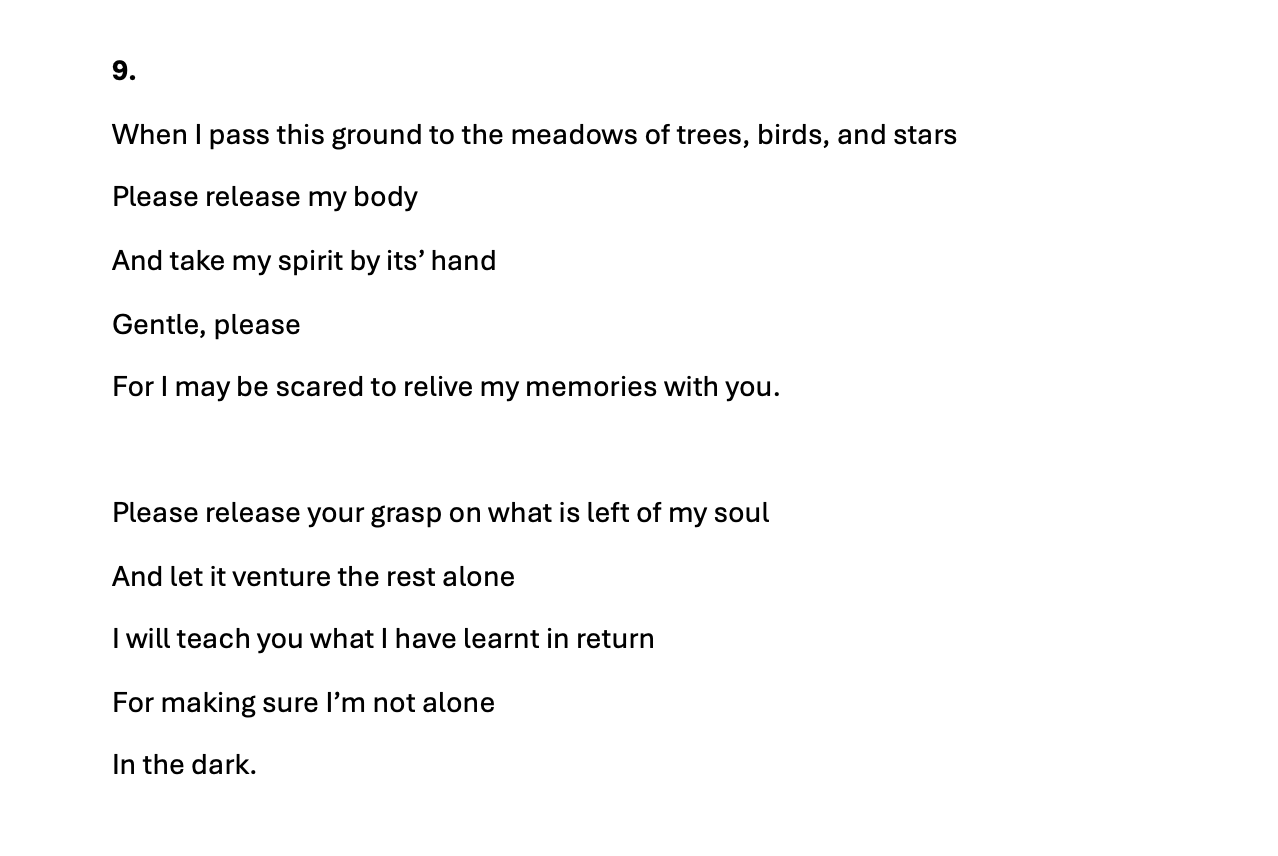
Fig. 9. Dylan Barr, Untitled writing excerpt from White Lavender development journal, 2026. Screenshot by author.
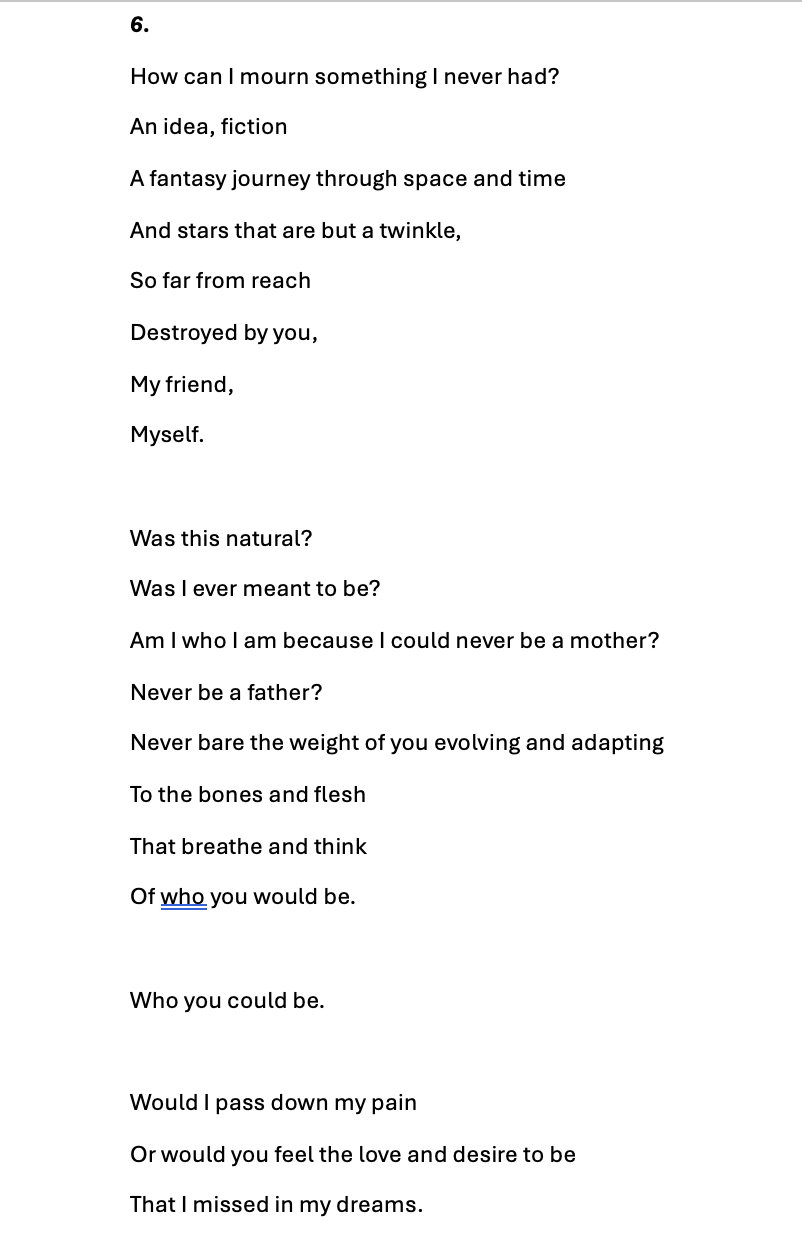
Fig. 10. Dylan Barr, Untitled writing excerpt exploring fertility and grief, 2026. Screenshot by author.
Audio production will be carried out using GarageBand or Logic Pro, allowing for detailed sound composition and manipulation.
Accessibility
Accessibility is an important consideration, particularly given the reliance on sound. To ensure inclusivity, written versions of the audio content will be made available.
This may take the form of printed booklets or minimal elements within the space. A booklet format is preferred, as it allows audiences to engage with the content independently. However, it may be that both methods are incorporated.
To remain cost-effective, and within the visual identity of the work, printed materials will be produced in black and white.
RisksRISK | POTENTIAL ISSUE | MITIGATION
Technical failure of interactive systems. | Sensors or software may malfunction during installation. | Conduct extensive testing prior to exhibition and prepare backup systems.
Time management. | Digital fabrication and prototyping may take longer than anticipated. | Begin testing early and maintain phased production schedule.
Budget limitations. | Material or equipment costs may increase. | Use existing university resources and prioritise low-cost materials.
Structural instability | Sculptures or installation components may become unstable. | Work with technicians to ensure safe construction and installation.
Accessibility concerns | Sound-based work may exclude some audiences. | Provide written transcripts and multiple forms of engagement.
Cable hazard | Wiring may create trip hazards within installation space. | Use cable covers and carefully planned routing.
Print quality issues | 3D prints may lose detail or structural clarity | Continue prototype testing and refine modelling methods.
TIMETABLE/MILESTONESThe project will be developed over several key phases.
MILESTONE | START DATE | END DATE | OUTCOME
Research and Development | 22nd January 2026 | 11th May 2026 | Contextual research, material testing, initial writing, sound references, installation planning.
Experimentation and Prototyping | 22nd January | 11th May 2026 | 3D scanning tests, Nomad Sculpt experimentation, Photogrammetry, sound testing, interaction research
3D modelling and printed models | 11th May | 15th June | Completed structural elements.
Plinths and technologies accumulation | 11th May | 1st July | Installation space/needs known
Test install + mediate any issues or changes needed | 1st July | 1st August | Installation complete
BUDGETThe project is designed to operate within a relatively low budget due to current circumstances, estimated between £70 and £360.
INVESTMENTS REQUIRED
3D Printing Materials £20-£50
Audio equipment, speakers etc £0-£100
Interactive equipment £0-£100
Lighting £0-£50
Printing for booklets/transcripts £10-£20
Installation materials / fixings £20
Miscellaneous costs £20
TOTAL: £70-£360
ADDITIONAL INFORMATION
Where possible, existing resources and borrowed equipment will be utilised to minimise costs.
EVALUATION
The success of the project will be evaluated through a combination of audience feedback, observation, and personal reflection.
Audience engagement will be a key indicator, particularly in relation to how individuals interact with the space and interpret the work. Informal feedback and discussion may provide insight into how effectively the installation communicates its intended themes.
Personal reflection will also play an important role, allowing for critical assessment of both the process and the final outcome. This includes consideration of what was successful, what could be improved if shown again, and how the project contributes to the development of my practice.
REFERENCES
Al-Sabah, B.I. (2025) THE MISSION IS THE END, AND THE END IS ALL I WANT! [Installation].
FACT Liverpool.
Barr, D. (2025) Photograph of Jessica Ekomane’s installation Antechamber [Photograph].
Barr, D. (2026) Initial lavender prototype in Nomad Sculpt [Digital model].
Barr, D. (2026) Photograph of Billie Winters’ Parent Pending [Photograph].
Barr, D. (2026) Photograph of Billie Winters’ Waiting Room [Photograph].
Barr, D. (2026) Polycam lavender photogrammetry test [Digital scan].
Barr, D. (2026) Scaniverse lavender photogrammetry test [Digital scan].
Barr, D. (2026) Untitled writing excerpt from White Lavender development journal [Screenshot].
Barr, D. (2026) White Lavender installation mockup [SketchUp model].
Barr, D. (2026) Writing excerpt exploring fertility and grief [Screenshot].
Bishop, C. (2005) Installation Art: A Critical History. London: Tate Publishing.
Bullivant, L. (2005) 4dspace: Interactive Architecture. London: Architectural Design.
Cachia, A. (2013) ‘Disabling the museum: Curator as infrastructural activist’, Journal of Visual Art
Practice, 12(3), pp. 257–289.
Ekomane, J. (2025) Antechamber [Installation]. KW Institute for Contemporary Art, Berlin.23
Foucault, M. (1973) The Birth of the Clinic: An Archaeology of Medical Perception. London: Tavistock.
LaBelle, B. (2015) Background Noise: Perspectives on Sound Art. 2nd edn. New York: Bloomsbury.
Merleau-Ponty, M. (1962) Phenomenology of Perception. London: Routledge.
Preciado, P.B. (2013) Testo Junkie: Sex, Drugs, and Biopolitics in the Pharmacopornographic Era.
New York: Feminist Press.
Resolve Collective (2024) You get a car [Everybody Gets a Car] [Exhibition]. Tate Liverpool.
Winters, B. (2026) Body Clock [Exhibition]. BIRCH Studios.
Wright, S. (2023) ‘Biohacking queer and trans fertility: Using social media to form communities of
knowledge’, Journal of Medical Humanities, 44(2), pp. 187–205.
APPENDIX
Some other considerations of the project include:
Furthering the multi-sensory nature of the work past just touch, sight, and sound and incorporating some sort of smell within the installation. Initial ideas would be the smell of Lavender sprayed on the 3D prints to trick the senses slightly, but this would move away from the relation to the clinic being lavender themed without the smell. However, it could be that I lean into the idea of making the installation feel like you’re in a clinical setting by using the smell of cleaning products and having hand sanitiser available. Having hand sinitiser available would also contribute to the hygiene and accessibility of the installation, allowing an extra method of protection for immune compromised folk.
The lighting of the installation could be overbearingly bright to feel like being in a clinical setting. My initial idea was that it would be softly lit, like past installations and work I have done because I prioritise accessibility within my practice and lowering lights makes the work viewable by those with sensory issues. This is likely to be something I decide on during the install period rather than a pre-disclosed idea.